
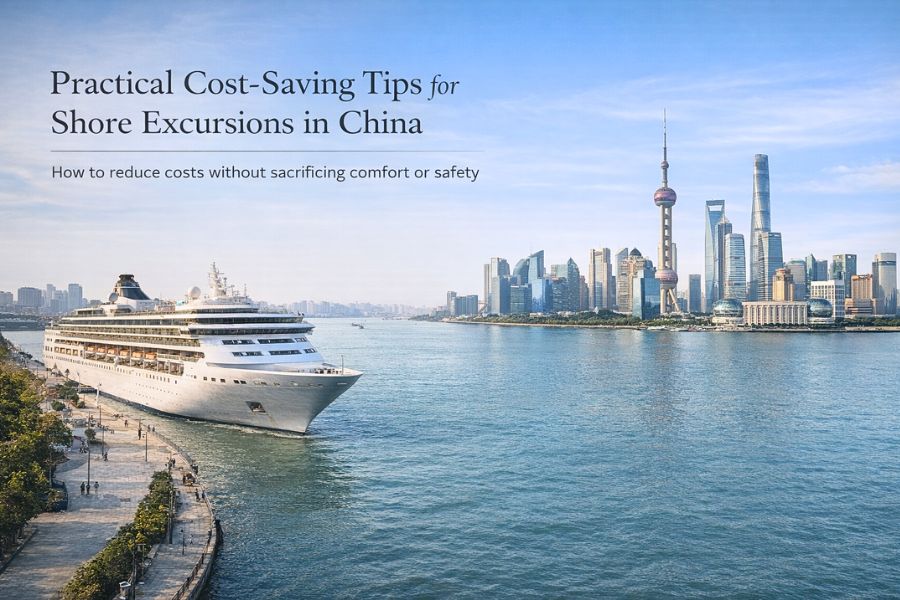
Shore excursions can easily become one of the most expensive parts of a cruise without careful planning. At Chinese ports, prices vary widely depending on the city, distance from the port, group size, and the type of provider. Across thousands of shore excursions offered in China, one pattern remains consistent: saving money does not mean giving up quality. It starts with understanding how pricing works and knowing where flexibility exists. With the right approach, cruise passengers can enjoy the same key experiences while spending far less, without compromising comfort or peace of mind.
Understanding How Shore Excursion Pricing Works
Shore excursion prices are rarely fixed. They are shaped by a combination of provider structure, timing, and group size, all of which influence the final cost paid by cruise passengers.
Price Differences Between Providers
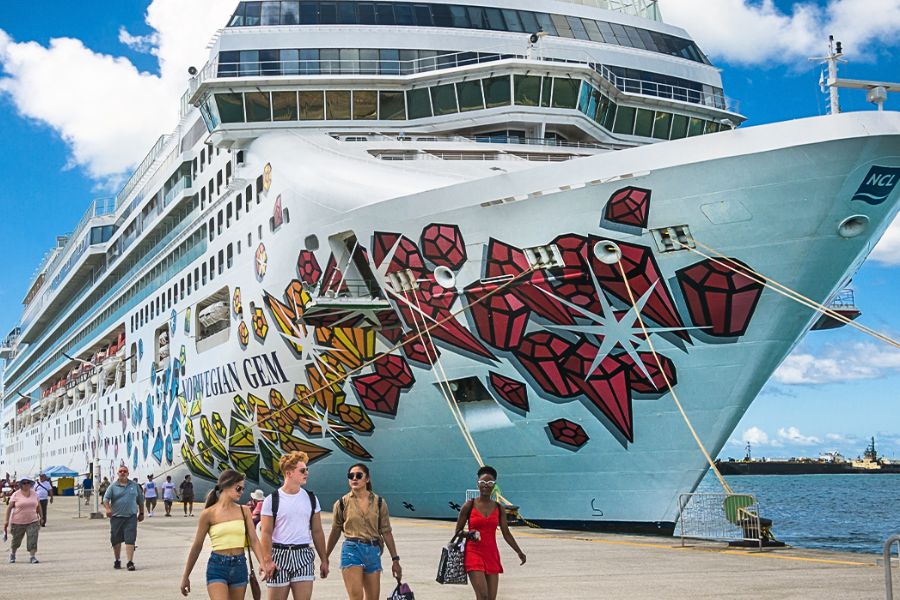
Cruise line shore excursions are usually the most expensive option. These tours include a premium for convenience and the assurance that the ship will wait if delays occur. Independent international operators often offer similar itineraries at a lower price, balancing structure with flexibility. Local tour companies usually provide the lowest prices, although language support and consistency can vary.
How Booking Timing Affects Cost
Booking early often leads to better value. Reservations made three to six months in advance can reduce prices by 15 to 30 percent while offering more choices. Last-minute bookings may result in discounts or higher prices depending on demand. Seasonal factors also matter, with peak travel periods raising costs across most Chinese ports.
Group Size and Pricing
Private tours are the most expensive option, offering flexibility at a premium. Small-group tours, typically six to ten participants, strike a balance between comfort and cost. Large group tours remain the cheapest option, although they follow a fixed pace and schedule.
Ten Practical Ways to Reduce Shore Excursion Costs
Saving money on shore excursions often involves a series of small, informed decisions rather than one major sacrifice.
Book Through Independent Providers
Comparing prices across multiple platforms helps identify better value. Independent operators frequently offer similar routes and attractions at 30 to 50 percent less than cruise line tours, especially in major ports.
Choose Group Tours Over Private Options
Group tours spread transportation and guide costs across more participants. For most city-focused excursions, the experience remains enjoyable while the price drops significantly.
Reserve Early
Early bookings provide access to lower rates and a wider selection. Popular shore excursions often sell out well before departure, leaving only higher-priced options closer to the cruise date.
Look for Multi-Tour Discounts
Some operators offer reduced pricing when multiple shore excursions are booked together. These package deals can lower total costs by 10 to 20 percent.
Use Public Transportation
Cities such as Shanghai and Hong Kong have reliable metro systems that make independent exploration affordable. Public transport reduces transfer costs and allows travelers to move efficiently within port cities.

Explore Areas Near the Port
Several Chinese ports sit close to city centers. Xiamen and parts of Hong Kong offer walkable districts near terminals, removing the need for organized tours.
Eat Where Locals Eat
Restaurants near major attractions often charge premium prices. Local eateries and street food stalls offer authentic meals at a fraction of the cost while providing a deeper cultural experience.

Buy Attraction Tickets Online
Online ticket purchases often come with lower prices and shorter queues. Many attractions also offer reduced rates for seniors or students.
Join Free Walking Tours
Shanghai and Hong Kong host free walking tours led by local guides. Participants tip based on satisfaction, keeping costs flexible.
Negotiate Transport Prices Carefully
When using taxis or private guides, agreeing on a price in advance avoids misunderstandings. Comparing multiple options helps prevent overpaying.
Free and Low-Cost Shore Excursion Options
Not every memorable shore experience requires a tour fee. Some of China’s best port experiences are completely free.
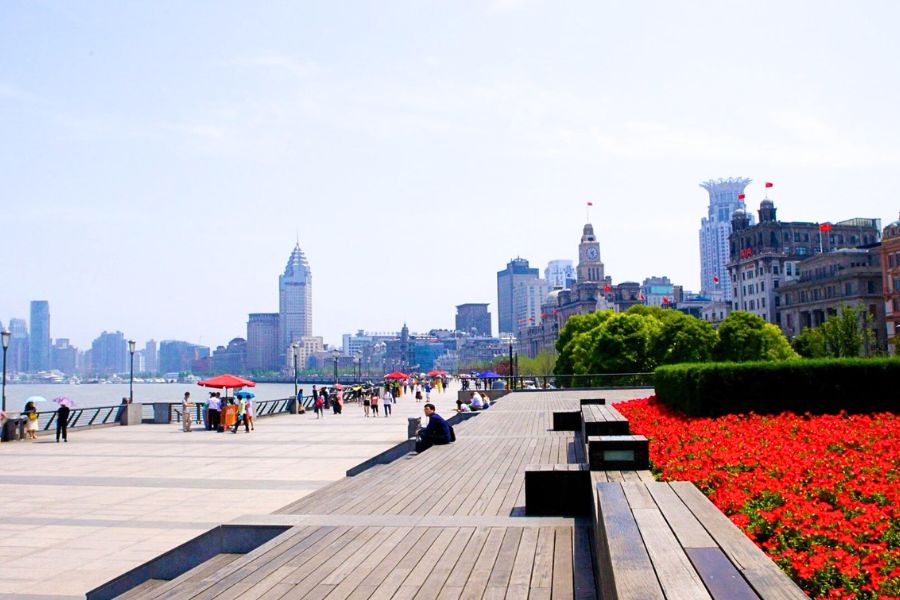
Walking Along the Bund in Shanghai
The Bund offers iconic skyline views, historic architecture, and ample photo opportunities without any entrance fee.
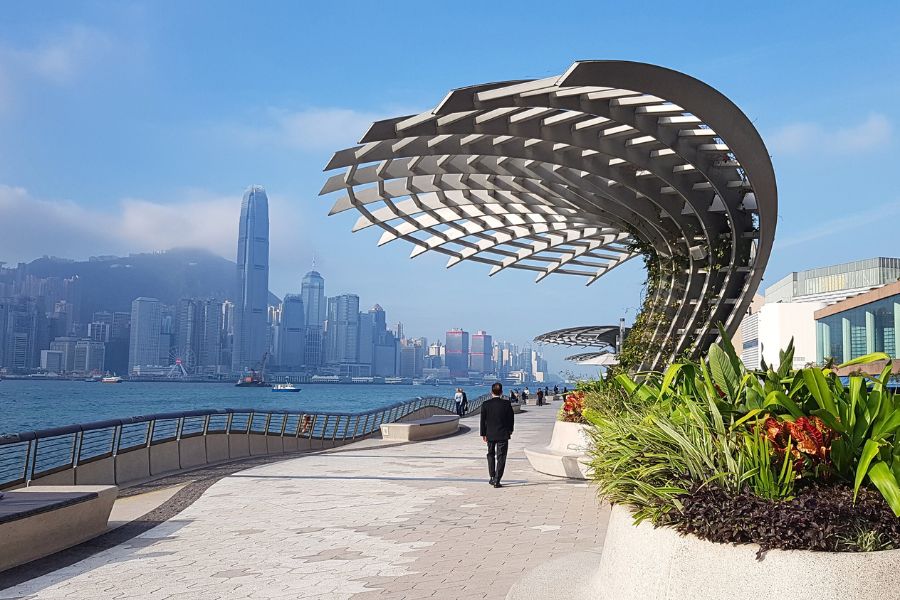
Victoria Harbour in Hong Kong
Walking along Tsim Sha Tsui allows visitors to enjoy harbor views and the nightly Symphony of Lights show at no cost.
Xiamen Beach Walks
Xiamen’s public beaches and coastal paths provide scenic views and relaxed cafés with reasonable prices.
Qingdao’s Public Beaches
Qingdao’s beaches combine seaside scenery with historic neighborhoods influenced by German architecture, all accessible without charge.
Hidden Costs to Watch For
Unexpected expenses can quickly inflate shore excursion budgets if travelers are not aware of common exclusions.
Entrance Fees Not Included
Some tours cover transportation only, leaving attraction tickets as an extra cost. Reading inclusion details prevents surprises.
Meal Expenses
Many shore excursions do not include meals. Dining near attractions tends to be more expensive, making onboard snacks a practical backup.
Tipping Practices
Tipping expectations vary but commonly range between 10 and 15 percent. Cash is often preferred, and tips may feel expected on some tours.
Photography Fees
Certain attractions charge additional fees for photography, especially with professional equipment. Asking in advance avoids unexpected charges.
Cost Comparison Across Major Ports
Price differences between cruise line tours, independent operators, and self-guided options are noticeable across China.
Shanghai Shore Excursions
Cruise line tours typically range between 150 and 200 USD. Independent providers charge around 80 to 120 USD, while self-guided exploration can cost as little as 30 to 50 USD.
Hong Kong Shore Excursions
Cruise line prices often fall between 120 and 180 USD. Independent tours range from 60 to 100 USD, while independent exploration costs around 20 to 40 USD.
Tianjin and Beijing Shore Excursions
Longer distances raise costs. Cruise line tours can reach 200 to 300 USD. Independent providers charge 120 to 180 USD, while independent travel often costs 80 to 120 USD.

Tools and Apps That Help Cut Costs
Technology simplifies planning and reduces unnecessary spending.
Price Comparison Apps
Platforms such as TripAdvisor, GetYourGuide, Viator, and Shore Excursions Group allow travelers to compare options quickly.
Transportation Apps
DiDi, Baidu Maps, and city metro apps simplify navigation and reduce transport costs.
Translation Apps
Offline translation tools help avoid miscommunication when ordering food or buying tickets.
Payment Apps
WeChat Pay, Alipay, and UnionPay are widely accepted and often more convenient than cash.
Lessons From Real Travelers
Real-world experiences highlight how small adjustments lead to meaningful savings.
Family of Four
By mixing group tours with self-guided days, one family saved 400 USD across three port stops.
Young Couple
Focusing on walkable districts and public transport allowed a couple to save 600 USD while maintaining flexibility.
Group of Friends
Sharing transportation and booking small-group tours provided both savings and a flexible schedule.
Where Saving Money Is Not Recommended
Some costs are worth paying to protect comfort and safety.
Safety and Insurance
Reliable providers and proper travel insurance reduce risk. Cutting costs in this area often leads to stress.
Guide Quality
Experienced, English-speaking guides add clarity and depth. Their expertise often justifies a higher fee.
Time and Health
Overloaded schedules and excessive walking can lead to fatigue. Balanced planning protects well-being.
Saving money on shore excursions in China does not require sacrificing quality or comfort. Smart planning, early booking, and an understanding of local conditions allow cruise travelers to control costs while still enjoying meaningful experiences. By balancing budget awareness with practical choices, travelers can approach each port stop with confidence, clarity, and a sense of value that lasts beyond the cruise itself.
