
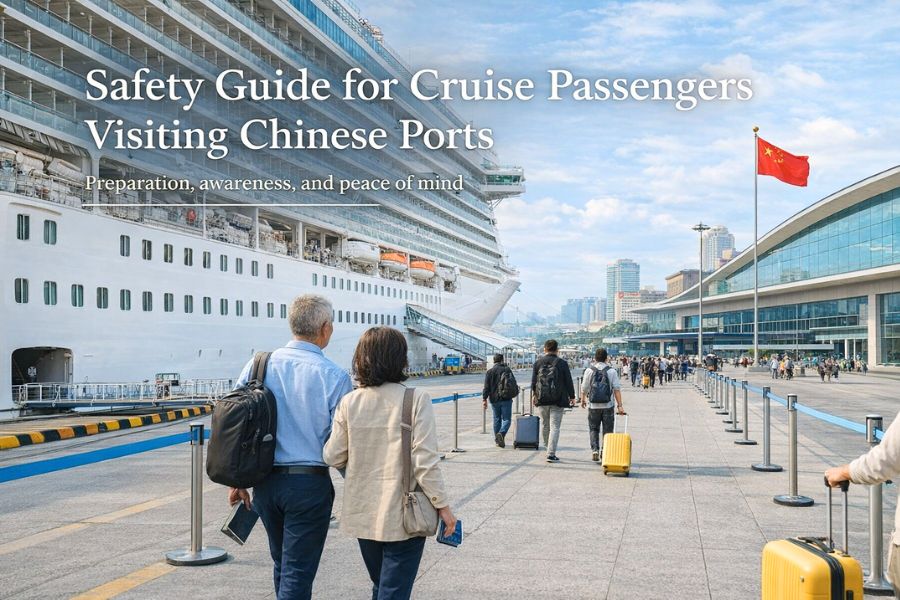
Safety is always a top priority when traveling, especially during cruise stops where time ashore is limited and surroundings may feel unfamiliar. China is generally a safe destination for cruise passengers, but understanding local conditions helps reduce unnecessary risk. With a bit of preparation, most shore excursions can be enjoyed smoothly and with confidence.
With thousands of shore excursion activities taking place at Chinese ports every year, experienced cruise travelers know that safety comes from awareness and planning rather than luck. This guide brings together practical advice to help passengers move around Chinese ports comfortably, stay alert in busy areas, and handle unexpected situations with calm and clarity.
Preparing Before Leaving the Ship
Before stepping ashore, a few simple preparations can make a significant difference. Cruise stops often move quickly, and having essential items ready helps travelers respond calmly to delays or changes. Good preparation keeps attention focused on the experience rather than problem solving.
Essential Documents
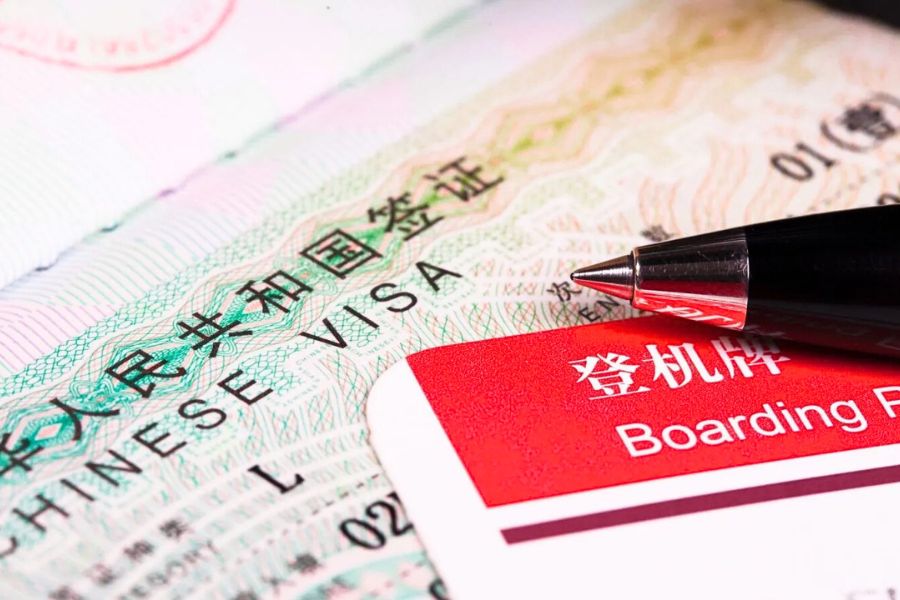
Carry your passport, either the original or an approved copy if permitted by the cruise line. The cruise card is mandatory and required for re-boarding. Check visa requirements in advance if applicable. Keeping the ship’s contact details written down is also recommended.
Emergency Information
Save the ship’s emergency phone number and the port address written in Chinese characters. If joining a tour, keep the guide’s contact information accessible. International travelers should note the nearest embassy or consulate.
Personal Safety Items
Bring personal medication, travel insurance details, offline maps, and a portable charger. These items provide reassurance if plans change unexpectedly.
Staying Safe While Getting Around
Transportation in Chinese cities is modern and reliable, but awareness is still important. Understanding how to move safely within busy urban areas reduces stress and helps travelers stay on schedule during port calls.
Using Public Transportation
Subway systems in major cities are clean and efficient. Avoid peak commuting hours when possible, keep bags in front of you, and remain alert while boarding and exiting trains.

Taking Taxis Safely
Use official taxis only and ask drivers to use the meter. Carry your destination written in Chinese and consider taking a photo of the license plate for reference.
Joining Guided Tours
Guided shore excursions offer structure and added security. Stay with the group, follow the guide’s instructions, and return to meeting points on time.
Financial Safety
Managing money carefully helps prevent both loss and unnecessary stress. Busy port areas attract tourists, making simple financial precautions especially important.
Carrying the Right Amount of Cash
Bring only what is needed for the day and split cash between different pockets or bags. Avoid displaying money openly and exchange currency at trusted locations.
Using Cards Securely
Notify your bank before traveling, use credit cards with protection features, cover the keypad when entering PINs, and review statements regularly.

Avoiding Common Scams
Be cautious of unofficial currency exchange offers, unsolicited help, and inflated prices near attractions. Tea ceremony scams are common in some cities and should be avoided.
Health and Personal Wellbeing
Maintaining health during shore excursions depends on food choices, climate awareness, and realistic pacing. Changes in weather and walking intensity can affect energy levels during short port visits.
Food and Drink Safety
Choose restaurants with steady local traffic, avoid food left sitting out, drink sealed bottled water, and wash hands before meals.
Managing Climate Conditions
Shanghai can feel hot and humid in summer, while northern cities experience cold winters. Dress appropriately, protect against sun exposure, and stay hydrated.
Medical Awareness
Carry personal medication, know the English names of prescriptions, identify international hospitals in advance, and ensure travel health insurance is active.
Communication and Cultural Awareness
Language and cultural differences influence daily interactions. Simple communication tools and respectful behavior help travelers move more confidently through unfamiliar environments.
Translation Tools
Offline translation apps are extremely useful. Learning a few basic phrases can also improve communication and reduce misunderstandings.
Cultural Etiquette
Avoid offensive gestures, refrain from pointing directly, greet politely, and show respect to elders. Cultural awareness contributes to smoother interactions.
Handling Emergencies
Emergency numbers in China include 110 for police and 120 for ambulances. Seek assistance at major tourist areas where English support is more likely.
Safety at Popular Attractions
Well known attractions often attract large crowds. Staying alert and following local rules helps travelers enjoy these sites safely.

Visiting the Great Wall
Steps can be steep and slippery. Wear shoes with good grip, supervise children closely, and take breaks as needed.
Temples and Religious Sites
Dress modestly, remove shoes when required, avoid touching statues, and ask before taking photos.
Markets and Shopping Areas
Watch for pickpockets, carry limited cash, negotiate prices calmly, and inspect purchases carefully.
Returning to the Port
Return to the ship on time, identify your vessel clearly, follow designated routes, and avoid trusting strangers offering assistance.
Safety Considerations for Specific Groups
Different travelers have different safety needs. Adjusting precautions based on age, mobility, and travel style improves comfort and confidence.
Families With Children
Keep children within sight, use safety straps in crowded areas, avoid hazardous locations, and carry snacks and water.
Senior Travelers
Choose gentle tours, rest frequently, bring sufficient medication, and travel with companions when possible.
Travelers With Disabilities
Inform tour operators in advance, check accessibility options, and request additional support if needed.
Solo Female Travelers
Avoid late night outings, stay in busy areas, trust instincts, and share location details with family or friends.
Handling Emergency Situations
Unexpected situations can happen during any shore excursion. Knowing how to respond calmly helps limit disruption and regain control quickly.
Getting Lost
Stay calm, remain in populated areas, contact your guide, and return to agreed meeting points.
Losing a Passport
Report the loss to local police, contact your embassy, use backup copies, and keep the cruise card accessible.
Missing the Ship
Contact the ship immediately, provide your location, and follow instructions. Official tours may receive assistance if delays occur.
Illness or Injury
Visit an international hospital, contact your insurance provider, inform the ship, and keep medical receipts.
Insurance and Legal Awareness
Insurance and legal awareness provide protection beyond daily precautions. Clear understanding of coverage and responsibility helps avoid confusion during emergencies.
Essential Travel Insurance
Coverage should include medical care, trip cancellation, baggage loss, and emergency evacuation.
Reviewing Terms and Conditions
Understand tour operator responsibilities, traveler rights, cancellation policies, and liability clauses.
When Legal Action May Apply
Serious incidents caused by negligence or fraud may require legal consultation. Keep documentation if issues arise.
Comprehensive Safety Checklist
A final review before and after the excursion helps travelers stay organized and reduce small mistakes that cause stress.
24 Hours Before
Recheck documents, charge devices, download offline maps, and notify your bank.
On the Morning of the Tour
Eat well, dress appropriately, bring water, and check the weather.
During the Excursion
Stay in contact with the group, hydrate regularly, rest when needed, and respect meeting times.
Returning to the Ship
Confirm belongings, report incidents if any, and note useful feedback for future trips.
Safety during shore excursions is a shared responsibility between travelers and tour operators. With thoughtful preparation, cultural awareness, and realistic planning, Chinese ports can be explored comfortably and confidently. China remains a safe destination for cruise passengers when sensible precautions are taken. Knowledge, preparation, and proper insurance form the foundation of a smooth and secure shore experience.
